





Our estimate puts what families in India spend on paid after-school activities for school-age children at about ₹16,000–40,000 crore a year, with a central scenario around ₹26,300 crore. It is a model built on 24.69 crore school enrolments, because no national survey yet counts paid activity classes.
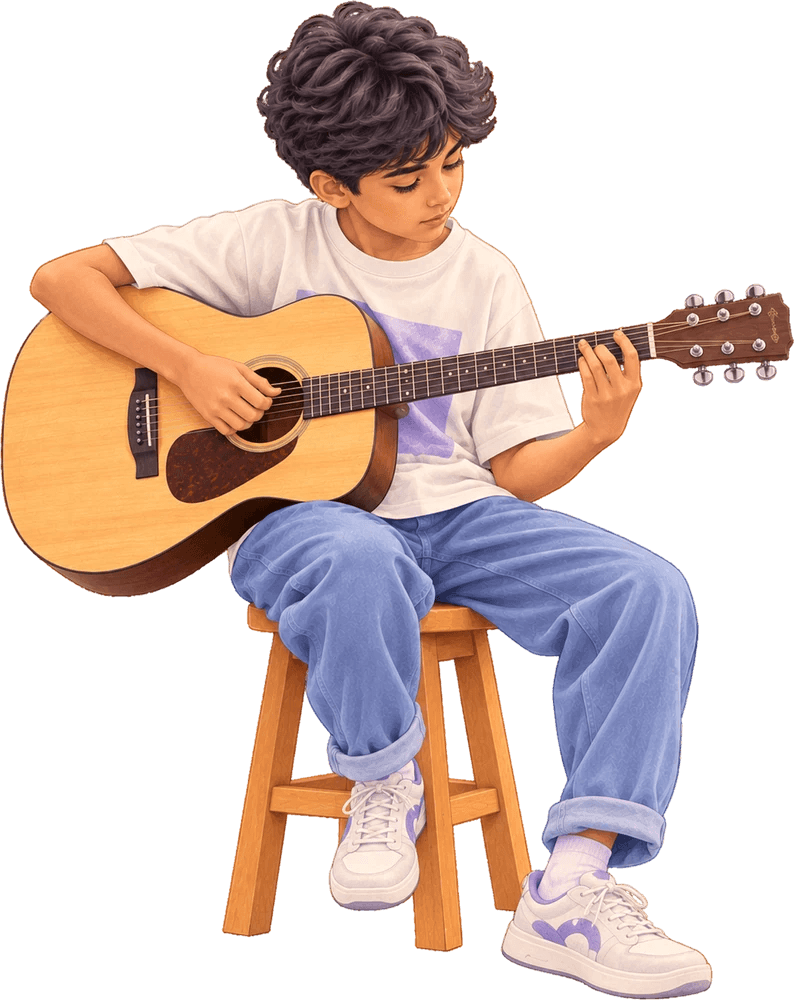
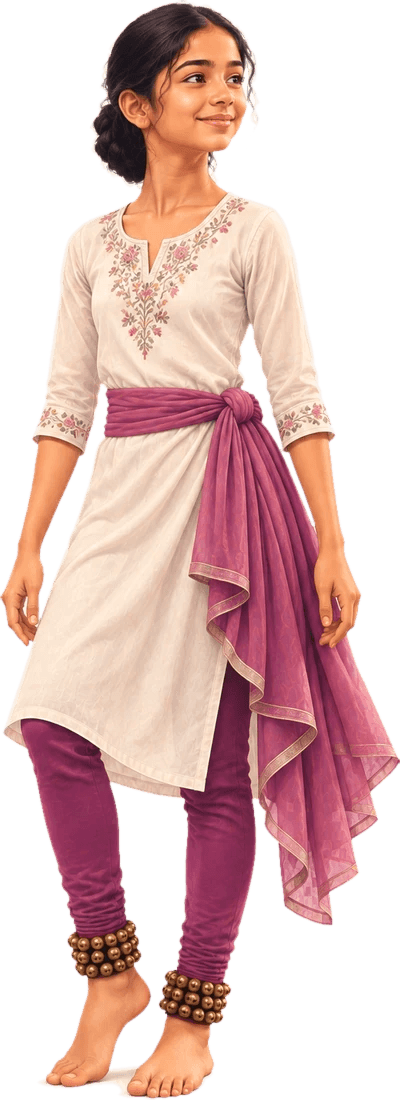
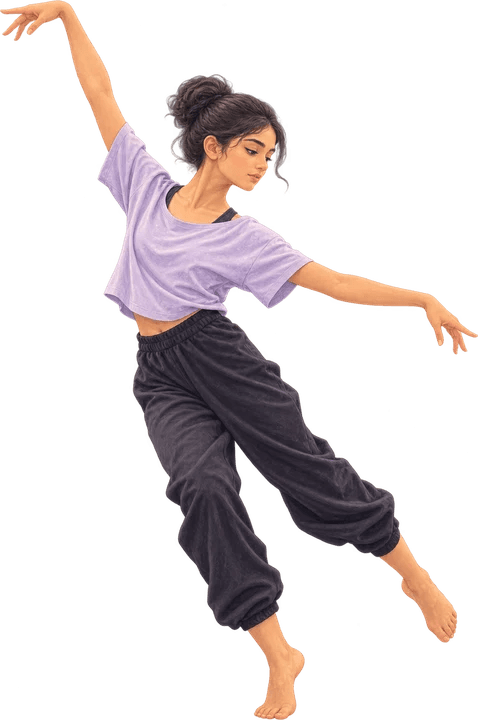
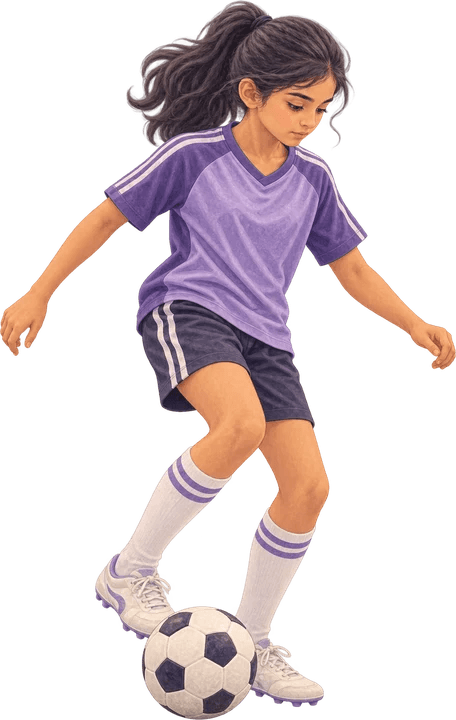
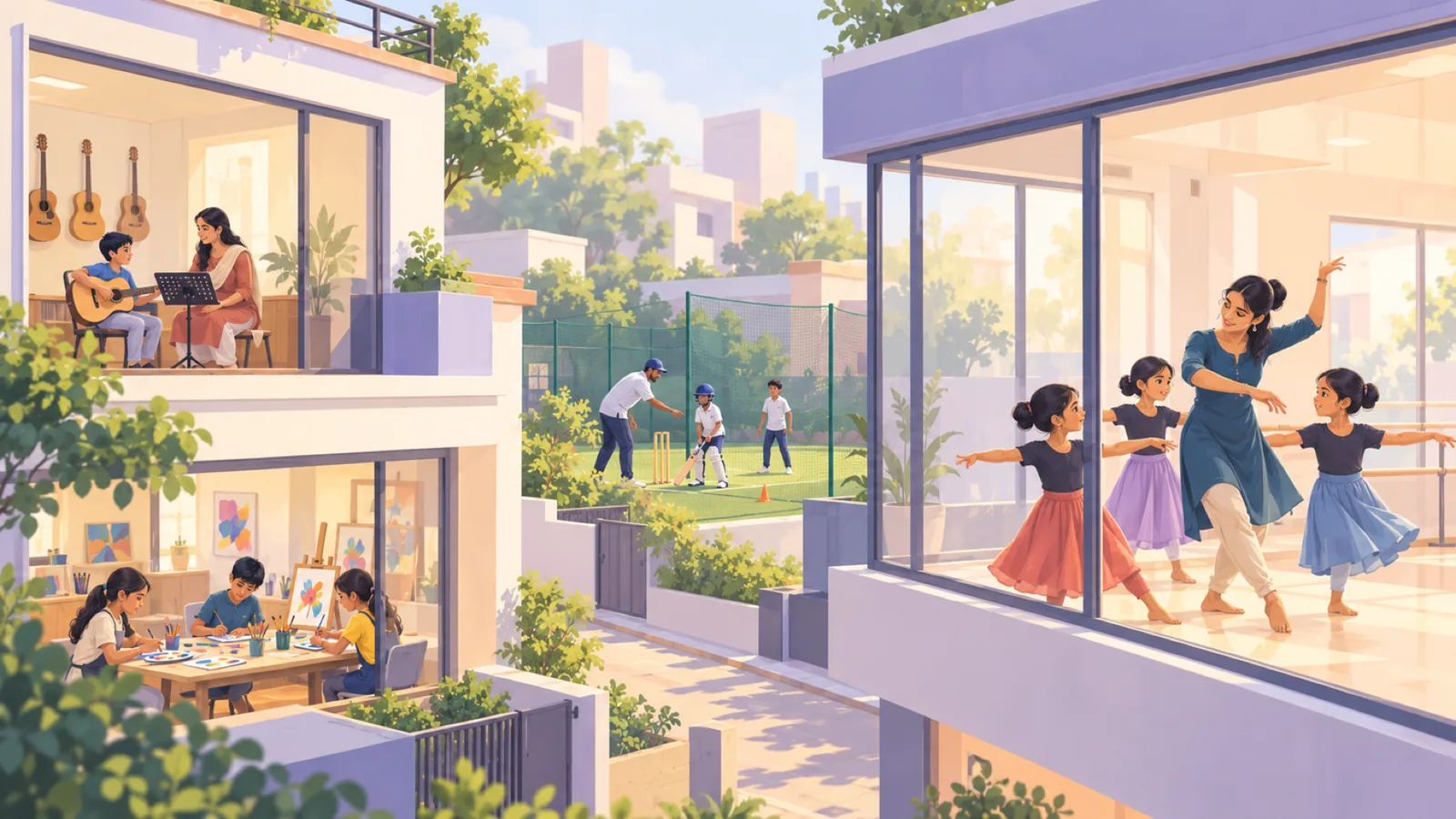
Children arrive at dance studios, football grounds, swimming pools, music schools, art rooms and martial-arts academies.
Some go once a week. Others train almost every day. Some are preparing for examinations and competitions. Others are simply discovering something they enjoy.
It is an ordinary part of Indian family life.
Yet we know surprisingly little about the economy around it.
1. A large ecosystem we don’t properly count
India had 24.69 crore students enrolled in recognised schools in 2024–25.1
We know a remarkable amount about what happens to these children during formal school.
Outside school, the picture becomes much less clear.
There is no equivalent national count of children taking paid music lessons, playing at private sports academies, learning classical dance, practising martial arts or attending art classes.
Even national education expenditure surveys measure academic coaching but not the wider activity economy.
So the first thing to understand about India’s after-school ecosystem is also its most interesting:
It is visible everywhere in everyday life, but remarkably difficult to see in national data.
2. How big could it be?
There is no reliable official market-size number today.
So we built a bottom-up model.
Our working estimate puts paid after-school activities for India’s school-age children at approximately ₹16,000–40,000 crore a year, with a central scenario around ₹26,300 crore.
The model begins with official school enrolment and then varies two things for which good national data does not yet exist: the percentage of children participating in a paid activity and the average annual fee.
In our central scenario, that produces approximately 1.35 crore paid activity enrolments at an average ₹19,500 a year. These are modelling assumptions, not measured national participation.
That distinction matters.
₹26,300 crore should not be read as the size of India’s after-school market.
It tells us something different:
the category could already be economically significant enough that measuring it properly matters.
3. Families are already spending significantly on learning
Official household education data gives us useful context.
The 2025 Comprehensive Modular Survey on Education found average annual school course fees of ₹15,143 per student in urban India, compared with ₹3,979 in rural areas. Average annual spending on private academic coaching was another ₹3,988 per urban student and ₹1,793 per rural student.2
But dance lessons, football coaching, music classes, swimming, martial arts and similar activities aren’t separately measured.
That is an important hole in our understanding of household education spending.
We know families spend on these activities.
We don’t yet know, nationally, how many participate, what they spend or why they choose one activity over another.
That’s a research question worth answering.
4. It isn’t one industry
Part of the difficulty is that “after-school learning” describes very different businesses.
A Carnatic music teacher might teach 30 students. A neighbourhood dance academy might have 150. A football programme may operate across several grounds. A martial-arts association might have instructors running multiple centres.
Their commercial models vary too:
- Monthly fees
- Quarterly plans
- Annual memberships
- Session packs
- Workshops
- Examination fees
- Competition registrations
- Performance fees
There is no standard academy.
And much of the ecosystem remains intensely local.
Parents may admire the country’s best dance school. At 4:30 on a Wednesday, another question matters just as much:
Can we actually get there after school?
5. Adults are part of this story too
After-school learning isn’t only about children.
Adults increasingly use the same studios, academies and teachers for fitness, creativity, identity and life outside work.
The health context is significant: WHO’s physical-activity data for India estimates 49.4% of adults were insufficiently physically active in 2022, with the figure higher among women.3
Consumer search behaviour points in a similar direction. Justdial data comparing January–June 2025 with the same period in 2024 reported searches for archery classes up 140%, Pilates 134%, resin-art classes 110%, crochet classes 100% and pottery classes 71% across India.4 Search growth isn’t the same as enrolment, but it is an interesting signal of changing interest.
The same physical infrastructure can often serve both groups: children in the afternoon, adults later in the evening.
That makes the neighbourhood academy potentially more than a children’s institution. It can be a piece of local learning and wellbeing infrastructure.
6. Small organisations, complicated operations
A small academy can begin with remarkably little infrastructure.
A notebook, a spreadsheet, a WhatsApp group, a UPI QR code, and an owner who remembers almost everything.
More students create more batches. Different students renew at different times. Someone pauses for exams. Someone needs a make-up class. A trainer is absent. A performance needs registrations and payments.
At some point the academy has quietly become an operating organisation.
The teacher hasn’t stopped teaching.
They’ve simply become an administrator too.
7. We need better data before bigger claims
The most interesting conclusion isn’t that India’s after-school economy is worth exactly ₹26,300 crore.
We don’t know that yet.
The interesting conclusion is that an ecosystem this visible in family life remains largely absent from national measurement.
- 01How many children participate?
- 02What do families spend?
- 03Why do students stop?
- 04How long do they stay?
- 05How many teachers and coaches make a living here?
- 06How large is adult participation?
Those questions deserve better answers.
India has become much better at measuring formal education.
Perhaps the next step is simply to start seeing the enormous amount of learning that happens outside it.
Sources
- UDISE+ 2024–25 booklet, Table 1 (total enrolment 24,69,32,680, pre-primary to higher secondary). Ministry of Education. dashboard.udiseplus.gov.in
- Comprehensive Modular Survey: Education 2025 (NSS 80th round), press release (26 Aug 2025). PIB / MoSPI. www.pib.gov.in
- Physical activity factsheet: India 2024. WHO South-East Asia Region (adults 18+: 49.4%; men 42%, women 57.2%). cdn.who.int
- Justdial data, H1 2025 vs H1 2024, as reported by Media Infoline (1 Sep 2025). www.mediainfoline.com
 After-School Insights · 5 min readThe people teaching India after school
 After-School Insights · 5 min readWhy after-school learning matters more than we think
 After-School Insights · 6 min readWhere does a child’s after-school journey go?