






No national census counts India’s after-school teachers. Under our central assumptions, about 1.35 crore paid activity enrolments imply roughly 2.25 lakh solo teachers and 32,000 academies: about 2.6 lakh small teaching businesses, with more individual teachers than that.
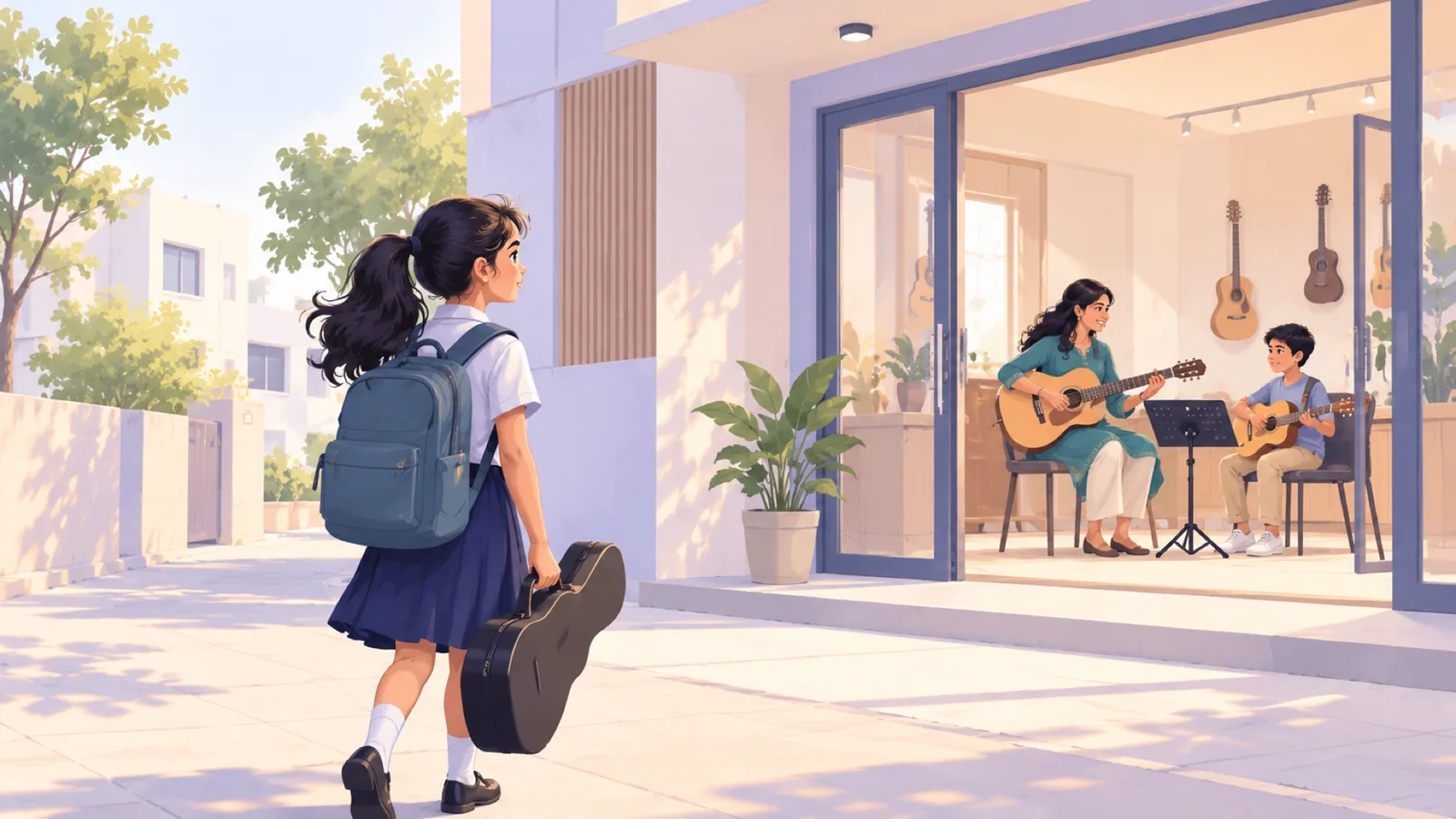
At around four in the afternoon, classrooms of a different kind begin filling up.
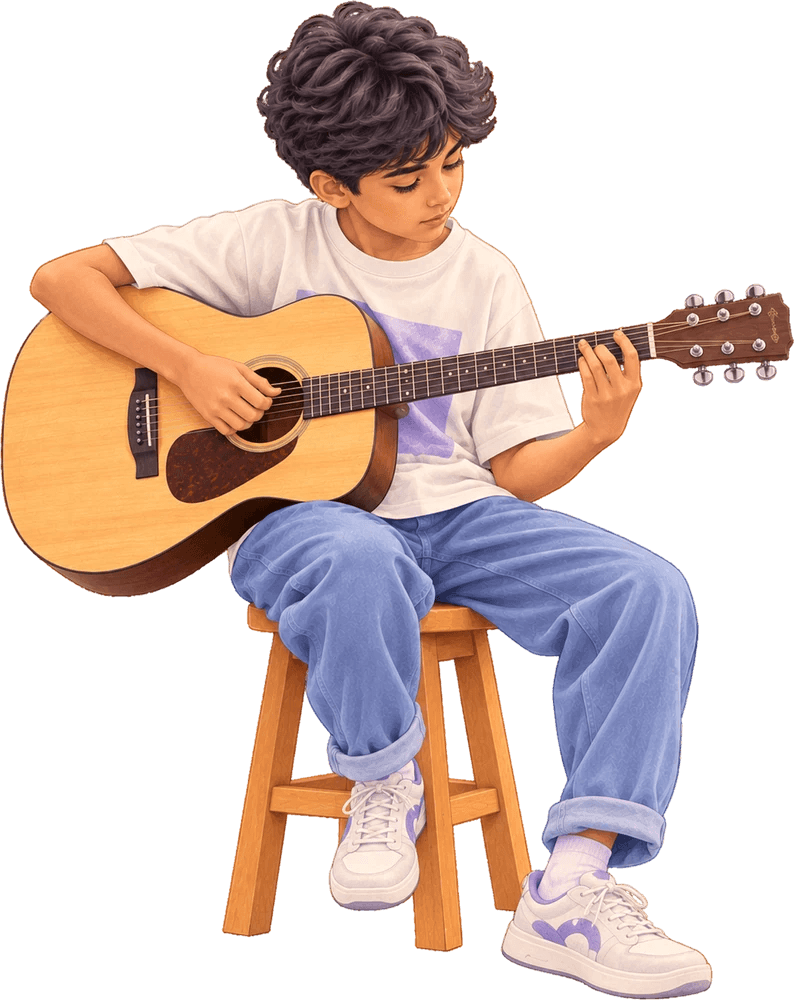
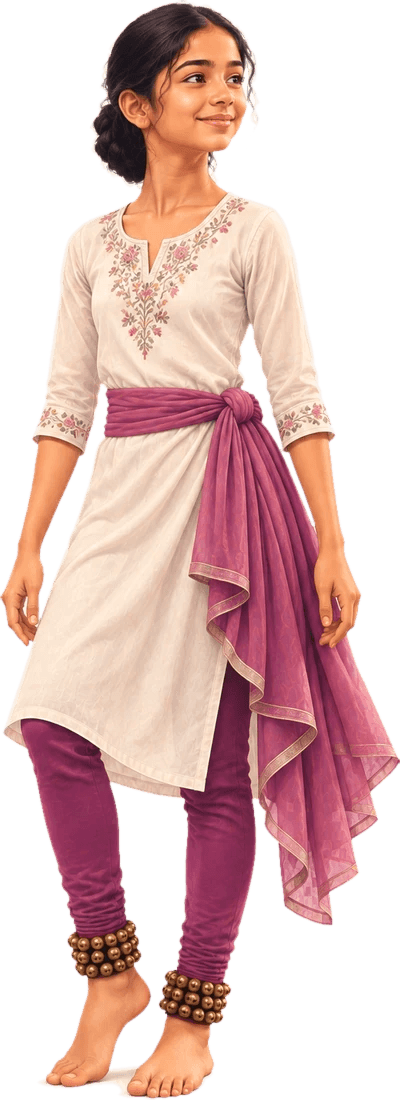
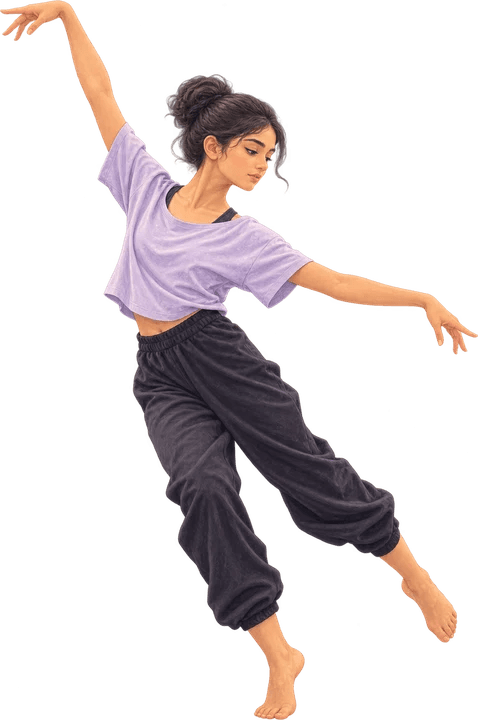
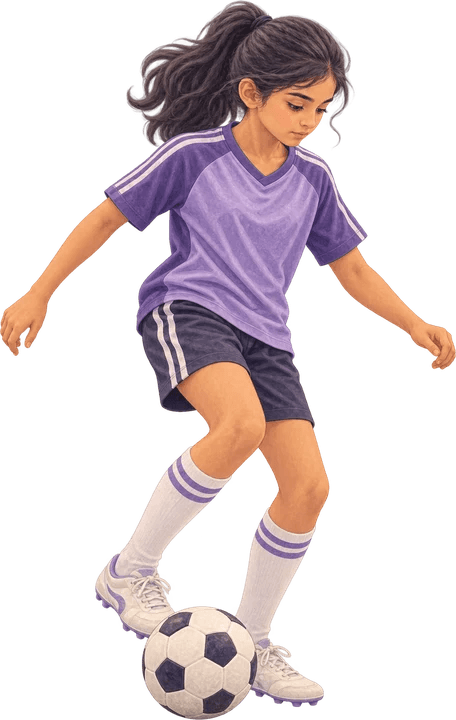
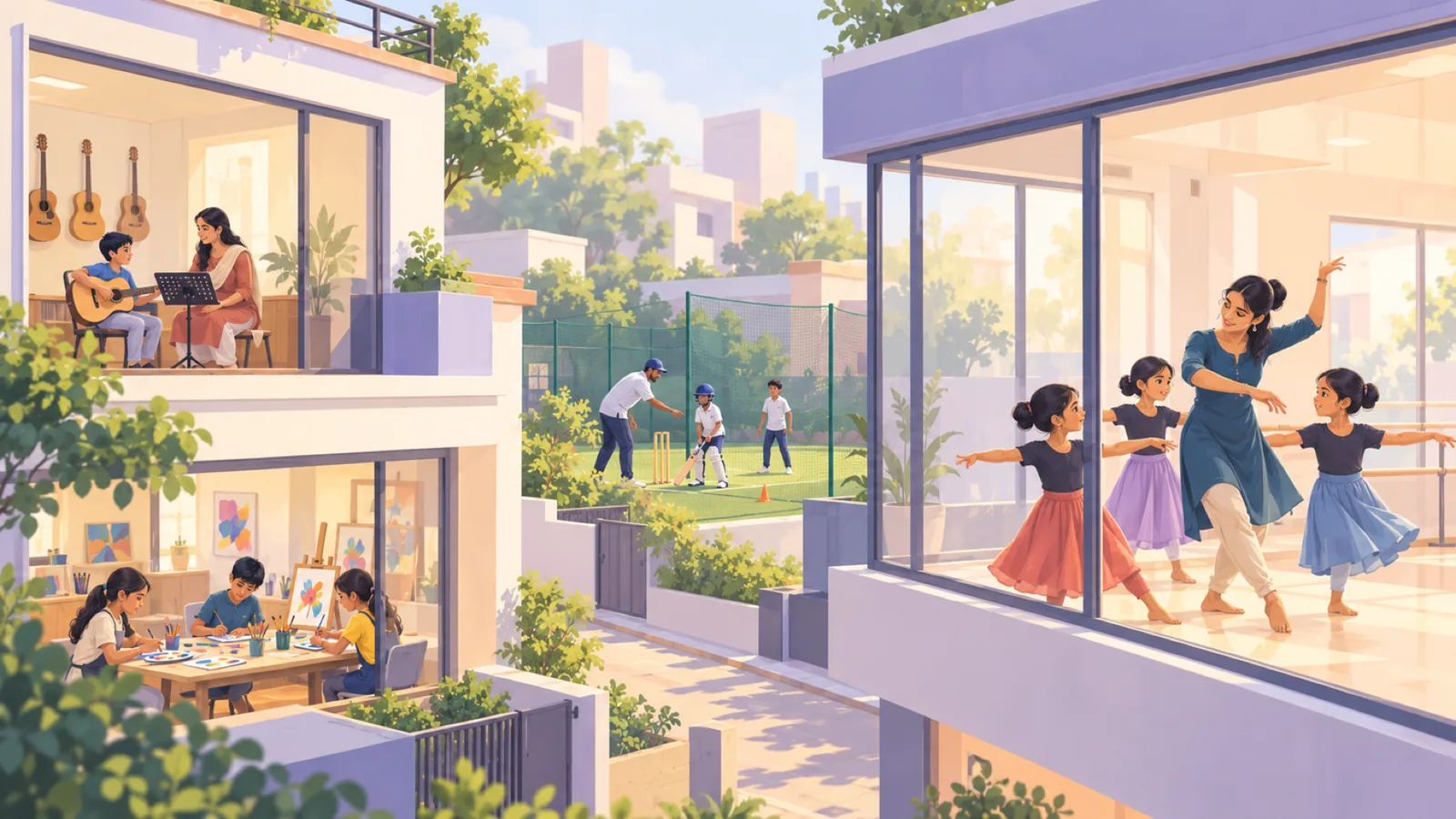
A dance teacher ties on her bells. A football coach lays out cones. A music teacher tunes an instrument. A karate instructor prepares the floor.
Across India, an enormous but largely uncounted teaching workforce begins another evening.
We have many names for them:
Guru.Coach.Teacher.Master.Sensei.Instructor.
But collectively, we rarely see them as part of India’s learning infrastructure.
1. How many are there?
There is no national census of India’s private music teachers, dance teachers, sports coaches, martial-arts instructors and other after-school educators.
So we modelled what the provider base might look like.
Under our central assumptions, roughly 1.35 crore paid activity enrolments split between solo teachers and mid-sized academies would imply approximately 2.25 lakh solo teachers and 32,000 academies, or roughly 2.6 lakh teaching businesses.1
This is not a count.
And importantly, 2.6 lakh isn’t the number of teachers. Academies can employ multiple instructors, so the number of people actually teaching would be higher.
What the estimate shows is how fragmented the ecosystem could be: hundreds of thousands of small, local providers rather than a handful of national institutions.
2. They teach things that are difficult to teach
Much of their work is embodied.
A coach notices the position of a foot. A music teacher hears that a note is slightly wrong. A dance teacher sees hesitation in an expression. A martial-arts instructor notices balance.
These aren’t always things a worksheet can measure.
Teaching them requires observation, repetition and familiarity with the learner.
Over time, a good teacher learns what comes easily, where the child hesitates, when to correct, when to push, and sometimes when not to.
3. The relationship can last for years
After-school teachers occupy an unusual position.
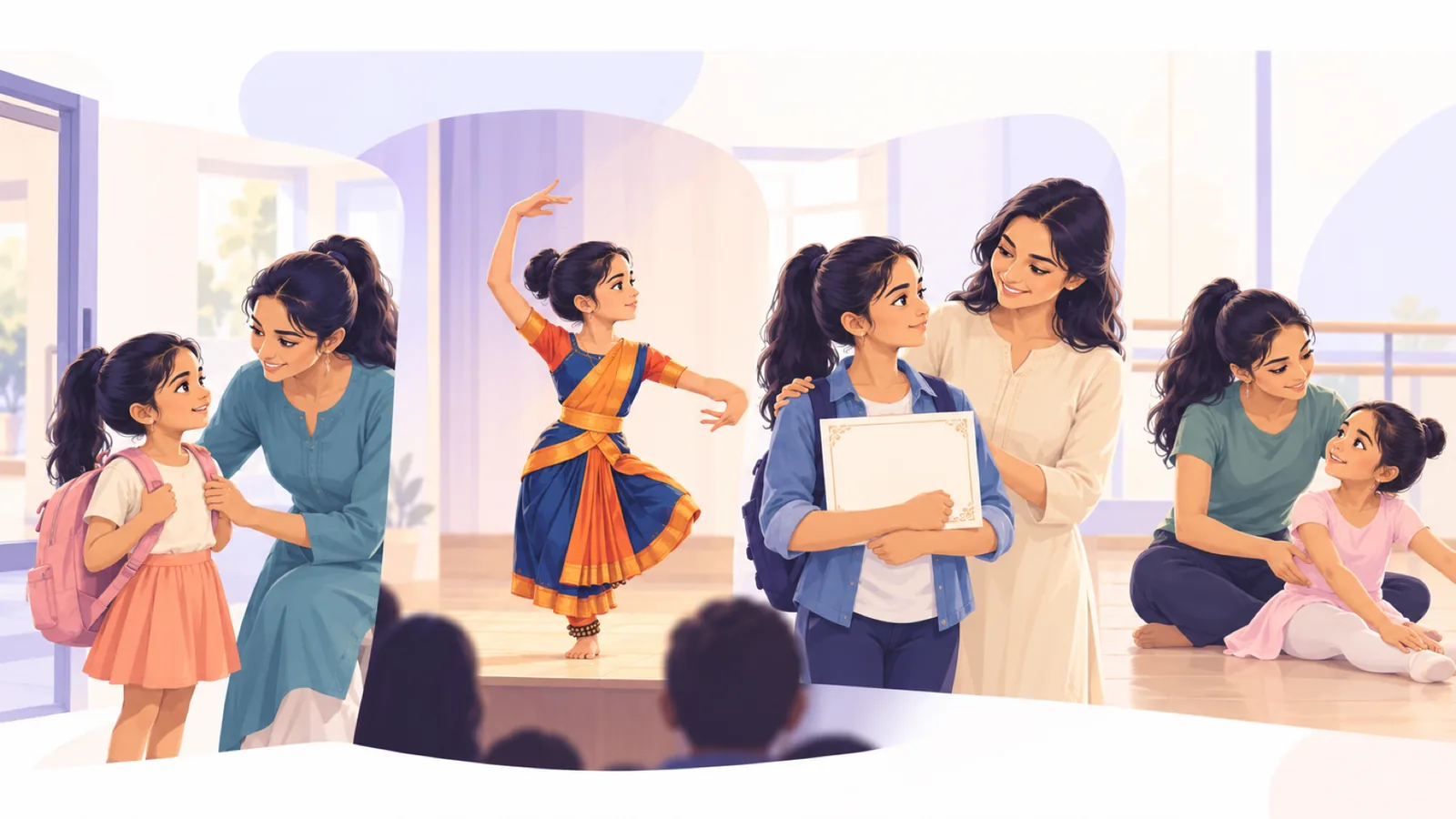
A school teacher usually changes with the academic year. A child might remain with the same music, dance or martial-arts teacher for five, eight or ten years.
The teacher sees the beginner and the performer.
The difficult phase and the breakthrough.
The student who nearly stopped and the one who eventually teaches someone else.
That’s a different kind of educational relationship.
4. Teaching is only half the job
The less visible part is what happens outside class.
- Outside class
- Collecting fees
- Answering enquiries
- Planning batches
- Tracking attendance
- Organising performances
- Coordinating costumes
- Replying to parents
The football coach may also be finding grounds.
The music teacher may be coordinating examinations.
The martial-arts instructor may be organising gradings.
The person responsible for the quality of teaching is frequently responsible for operating the organisation too.
5. A teacher becomes an academy owner
It often happens gradually.
The work changes, but the systems often don’t.
WhatsApp holds conversations. Spreadsheets hold payments. Calendars hold schedules. Photos live somewhere else. Attendance may still be in a register.
And the owner carries the missing connections in their head.
That arrangement can be extraordinarily resilient.
It can also put a ceiling on the person doing the teaching.
6. Their time matters
Every hour spent reconciling payments is an hour not spent teaching, planning or resting.
Every evening spent sending routine reminders takes energy from something else.
Every student history held only in one teacher’s memory becomes vulnerable when that teacher leaves.
Better infrastructure for academies isn’t interesting merely because a business can become more efficient.
It matters because teachers should be able to spend more of their time teaching.
7. An infrastructure hiding in plain sight
When we discuss the future of learning, attention naturally moves toward schools, universities, edtech and artificial intelligence.
But another learning infrastructure already exists all around us.
It is human. Local. Specialised. And deeply relational.
It consists of adults who teach people to sing, swim, dance, paint, perform, compete, practise and persist.
Their work may happen after school.
That doesn’t make it secondary.
Sometimes the teacher someone remembers for the rest of their life is the one they met at 5:30 on a Wednesday evening.
Sources
- How we estimated India’s after-school learning economy. Lunar’s bottom-up model; a modelled estimate, not a count.
 After-School Insights · 5 min readWhy after-school learning matters more than we think
 After-School Insights · 7 min readThe state of after-school learning in India
 After-School Insights · 6 min readWhere does a child’s after-school journey go?