
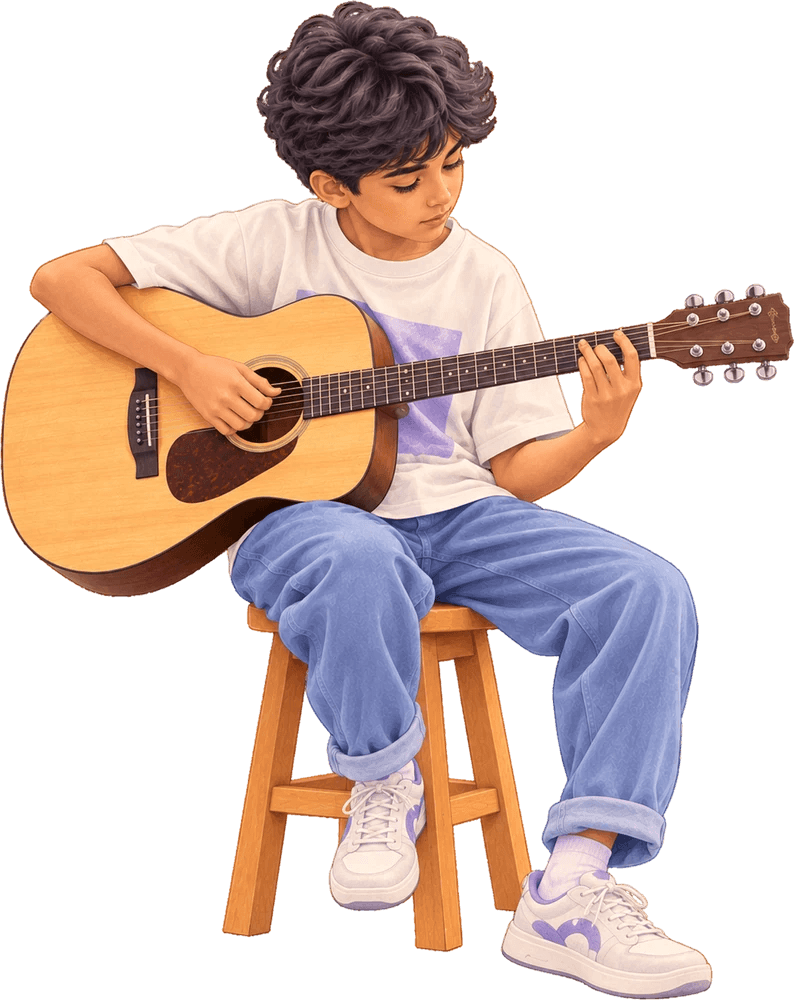

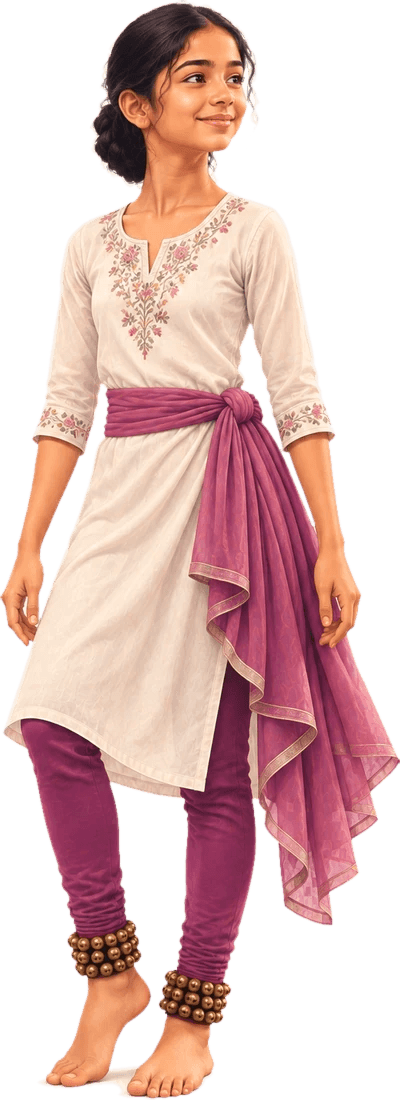

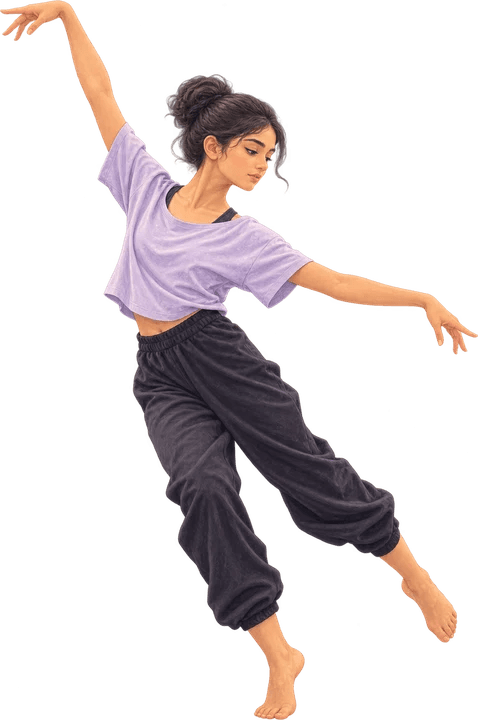

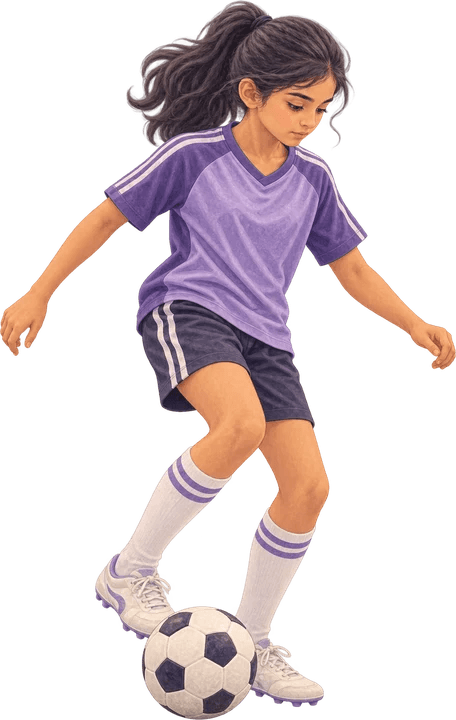


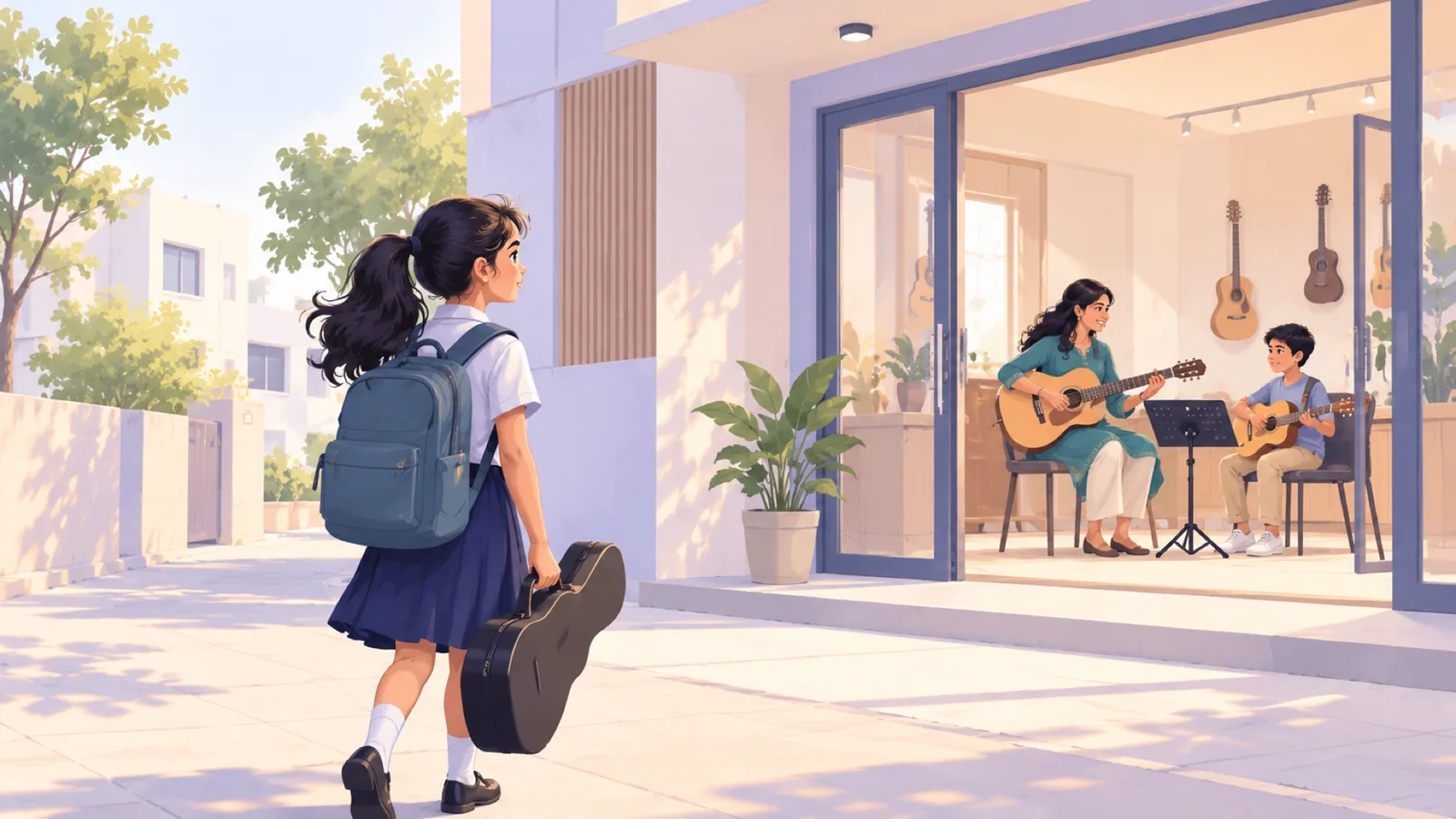
Music, dance, sport and other activities are not “extra”: children learn to persist, to move and to work with adults outside the family. In India’s 2024 Time Use Survey, children aged 6–14 who took part in extracurricular activities spent about 61 minutes a day on them, and NEP 2020 removes the hard line between curricular and extracurricular learning.
A child spends weeks trying to get one movement right. Another learns to hold a note a little longer. Someone misses a shot, tries again and eventually makes it.
A nervous child walks onto a stage for the first time. A swimmer moves into the next group. A young musician finishes their first complete piece.
We tend to call all of this “extracurricular.”
The word makes it sound additional, something around the edges of a child’s education.
India’s National Education Policy takes a different view. NEP 2020 calls for no hard separation between curricular and extracurricular activities and places arts, sports and vocational learning within a broader idea of holistic education.1
Perhaps our language simply hasn’t caught up.
1. An hour that matters
India’s 2024 Time Use Survey gives us an unusual glimpse into this part of childhood.
Among children aged 6–14 who took part in extracurricular activities, the time spent averaged 61 minutes a day.2
An hour can sound small. Across weeks, months and years, it isn’t.
It becomes hundreds of hours spent learning to sing, swim, dance, paint, play, perform, compete and practise.
And the context around that hour is changing.
In a 2023 LocalCircles survey of urban Indian parents across 296 districts, 61% of parents of children aged 9–17 said their children spent three or more hours a day on social media, videos/OTT and online games.3
That doesn’t mean every hour on a screen is harmful, or that every activity class is automatically beneficial.
But it makes the choice of what fills a child’s time more consequential.
2. Learning to stay with something
Many after-school disciplines have one useful characteristic: progress is difficult to fake.
You cannot learn a piece of music simply by understanding what it should sound like. You cannot become a better dancer by reading about dance. You cannot learn to swim without getting into the water. And no coach can take the shot for you.
A child encounters something they cannot yet do, works on it, receives feedback and tries again.
Sometimes improvement comes quickly. Sometimes the same movement, piece, stroke or technique takes weeks.
Eventually something happens:
I couldn’t do this before. Now I can.
That is a powerful kind of learning.
3. Movement has become especially important
WHO recommends that children and adolescents average at least 60 minutes of moderate-to-vigorous physical activity a day across the week.4
Yet insufficient physical activity is widespread. WHO estimates that nearly 74% of adolescents across its South-East Asia Region do not meet recommended levels of physical activity.5
Sport, dance, swimming and martial arts aren’t the only answers. But they can give children something increasingly valuable: a regular place and time where movement happens.
A football practice is not merely exercise. Neither is a dance rehearsal or swimming lesson. There is instruction, progression, repetition and often a community around it.
4. A different relationship with adults
After-school learning can also introduce children to adults who occupy a different role from parents and school teachers.
A music teacher who watches a student develop over six years. A coach who knows when to push and when to encourage. A dance teacher preparing a nervous student for their first performance.
These relationships are built around a shared pursuit. At their best, the teacher isn’t simply delivering a class.
They become part of the child’s story.
5. Places where children test themselves
Can you do it when people are watching?
Can you continue when the result isn’t going your way?
Are you ready for the next level?
Can everyone work together until this is ready?
The meaningful outcome isn’t always winning.
Sometimes it is getting onto the stage. Returning after losing. Or finally doing something that seemed impossible three months earlier.
That kind of confidence is built, not given.
6. Perhaps “extra” is the wrong word
Families may remember school marks and report cards.
But childhood contains another set of memories: the teacher who believed in you, the performance you nearly backed out of, the competition that didn’t go your way, the piece you practised until everyone at home knew it too.
These experiences can occupy years of a child’s life.
After-school may be a useful description of when they happen.
But extra may no longer be a useful description of how much they matter.
Because education isn’t only the story of what a child knows.
It is also the story of what they tried, what they practised, who taught them and who they became along the way.
Sources
- National Education Policy 2020, para 4.9 and Fundamental Principles. Ministry of Education. www.education.gov.in
- Time Use in India 2024, press note (28 Mar 2025). MoSPI. Average for children aged 6–14 while participating. mospi.gov.in
- LocalCircles survey on children’s screen time, urban parents across 296 districts (22 Sep 2023). www.localcircles.com
- Physical activity fact sheet. World Health Organization. www.who.int
- “Step up efforts to increase physical activity” (25 Nov 2021). WHO South-East Asia Region. www.who.int
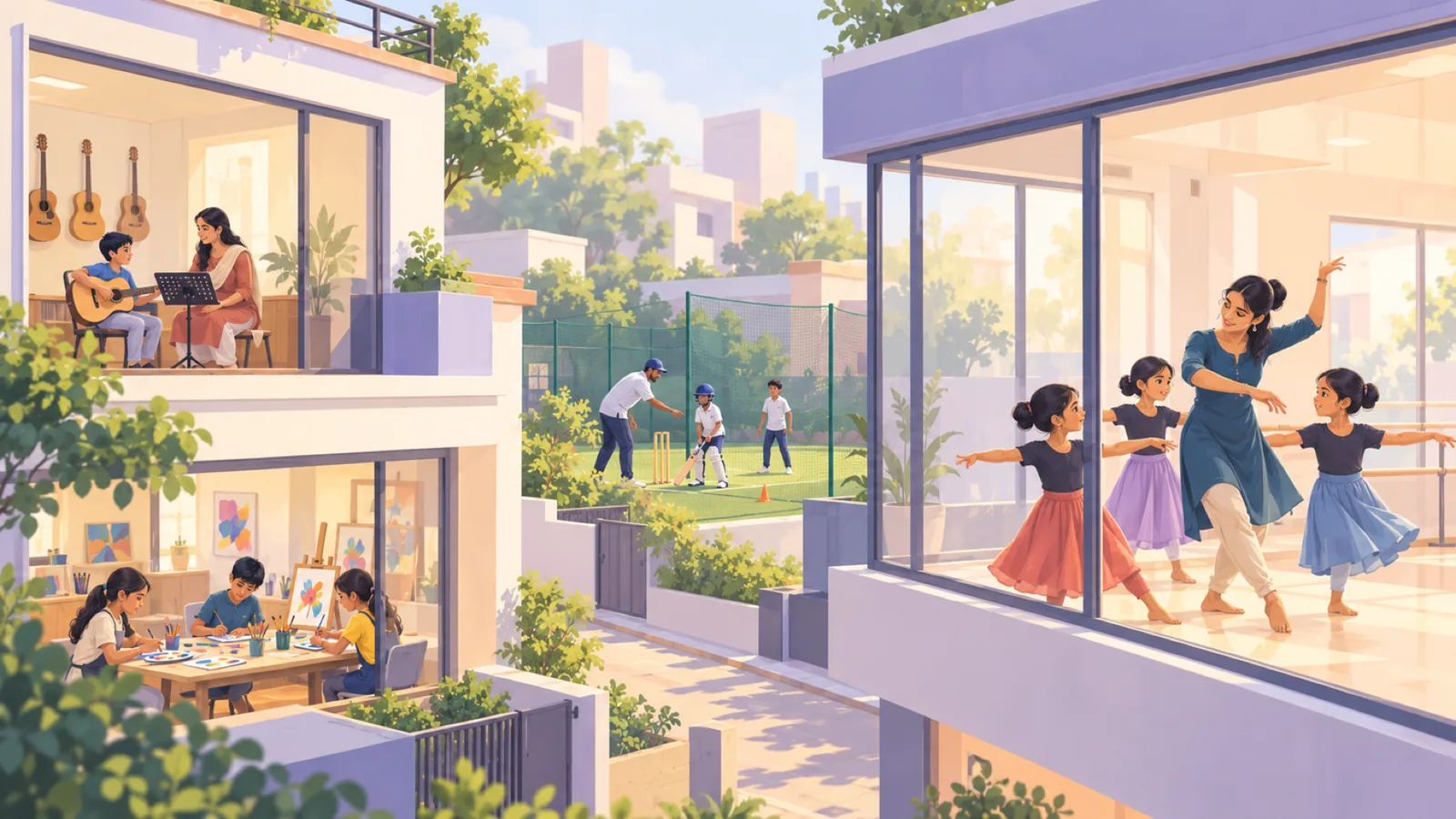 After-School Insights · 7 min readThe state of after-school learning in India
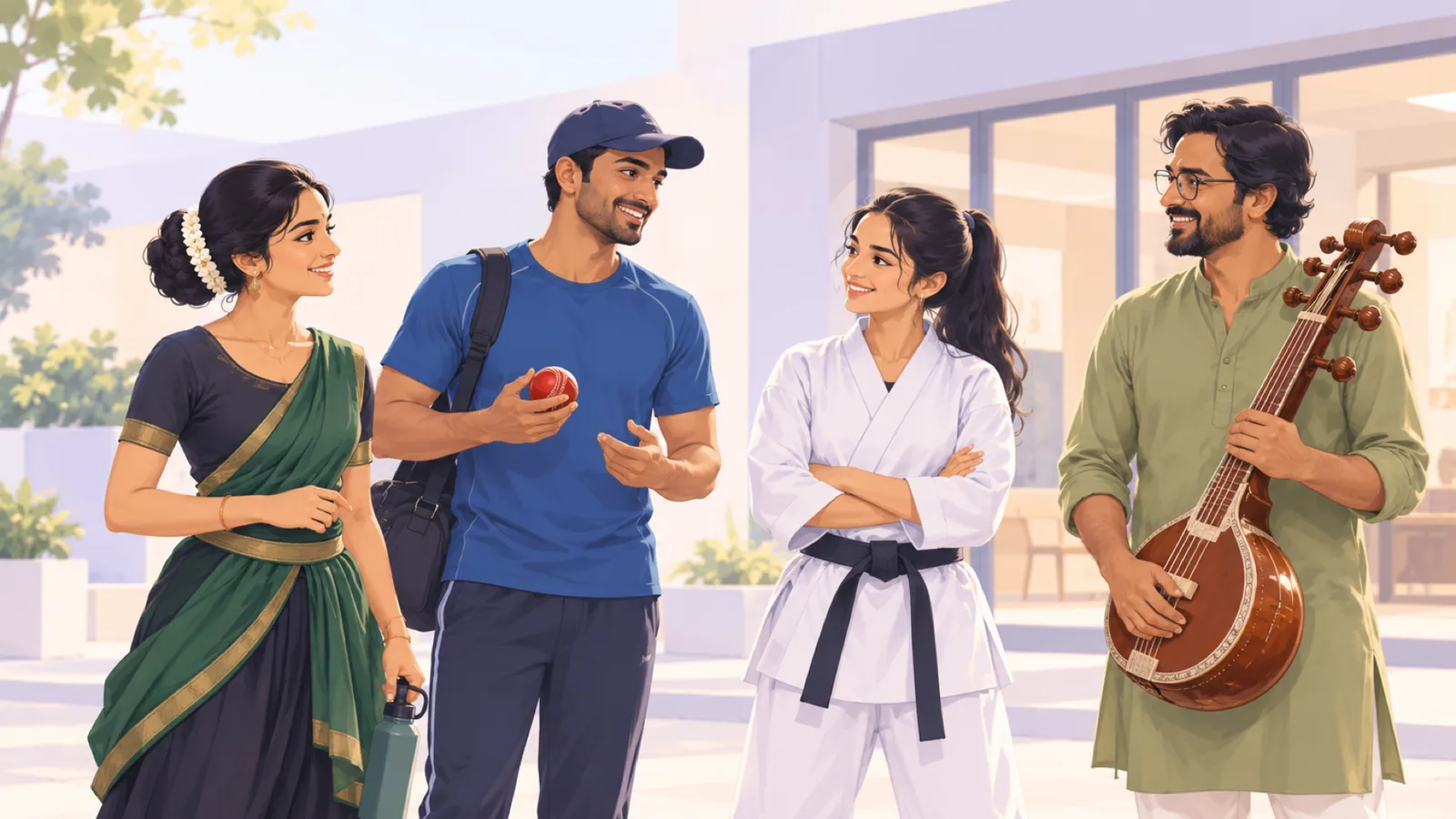 After-School Insights · 5 min readThe people teaching India after school
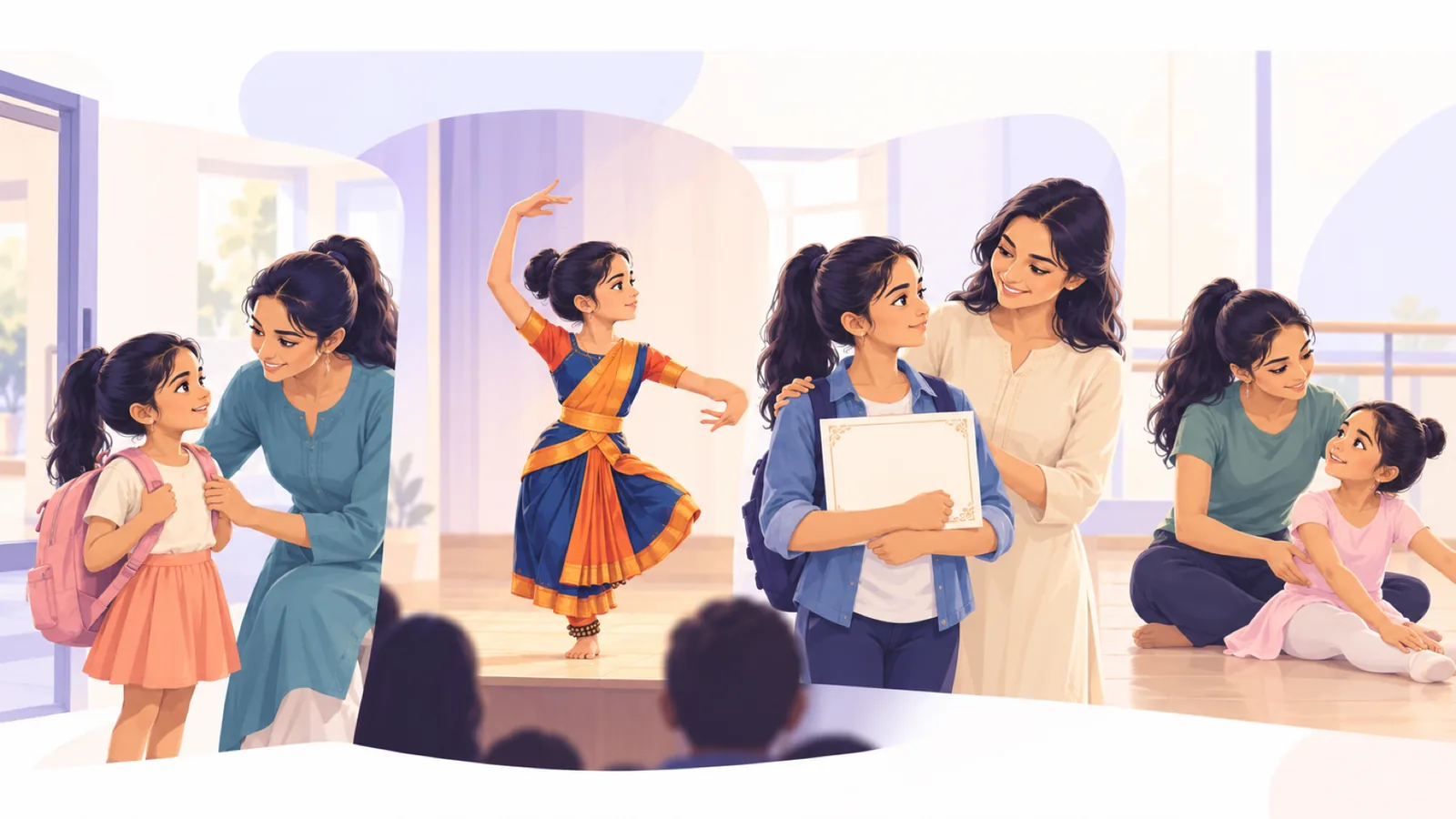 After-School Insights · 6 min readWhere does a child’s after-school journey go?